




Advertisement
Advertisement
It's evident that we are deeply immersed in springtime now, with an abundance of sunshine, holidays, and outdoor activities to anticipate.
Nevertheless, it's not just sunshine and flowers (quite literally) as people are being alerted to some drawbacks of the rising mercury this season - and it's significantly more concerning than just dealing with a severe hay fever episode.
For those who are unnerved by insects, you might want to avert your eyes as a warning has been issued about two particular species of ticks to be vigilant about right now, following a notable increase in a specific disease infamous among celebs.
According to the Centers of Disease Control and Prevention, recent estimates indicate that approximately 476,000 individuals may be diagnosed and treated for Lyme disease each year in the US alone.
Advert

What is Lyme disease?
According to the NHS, Lyme disease is a 'bacterial infection that can be transmitted to humans by infected ticks'. The disease refers to the symptoms and health issues that arise as a consequence of the infection.
It's generally easier to treat if identified early, with one of the primary early symptoms being a 'circular or oval-shaped rash' forming around a tick bite.
Advert
Some individuals also experience flu-like symptoms several days or weeks after being bitten by an infected tick, such as:
- A high temperature, or feeling hot and shivery
- Headache
- Muscle and joint pain
- Tiredness and loss of energy
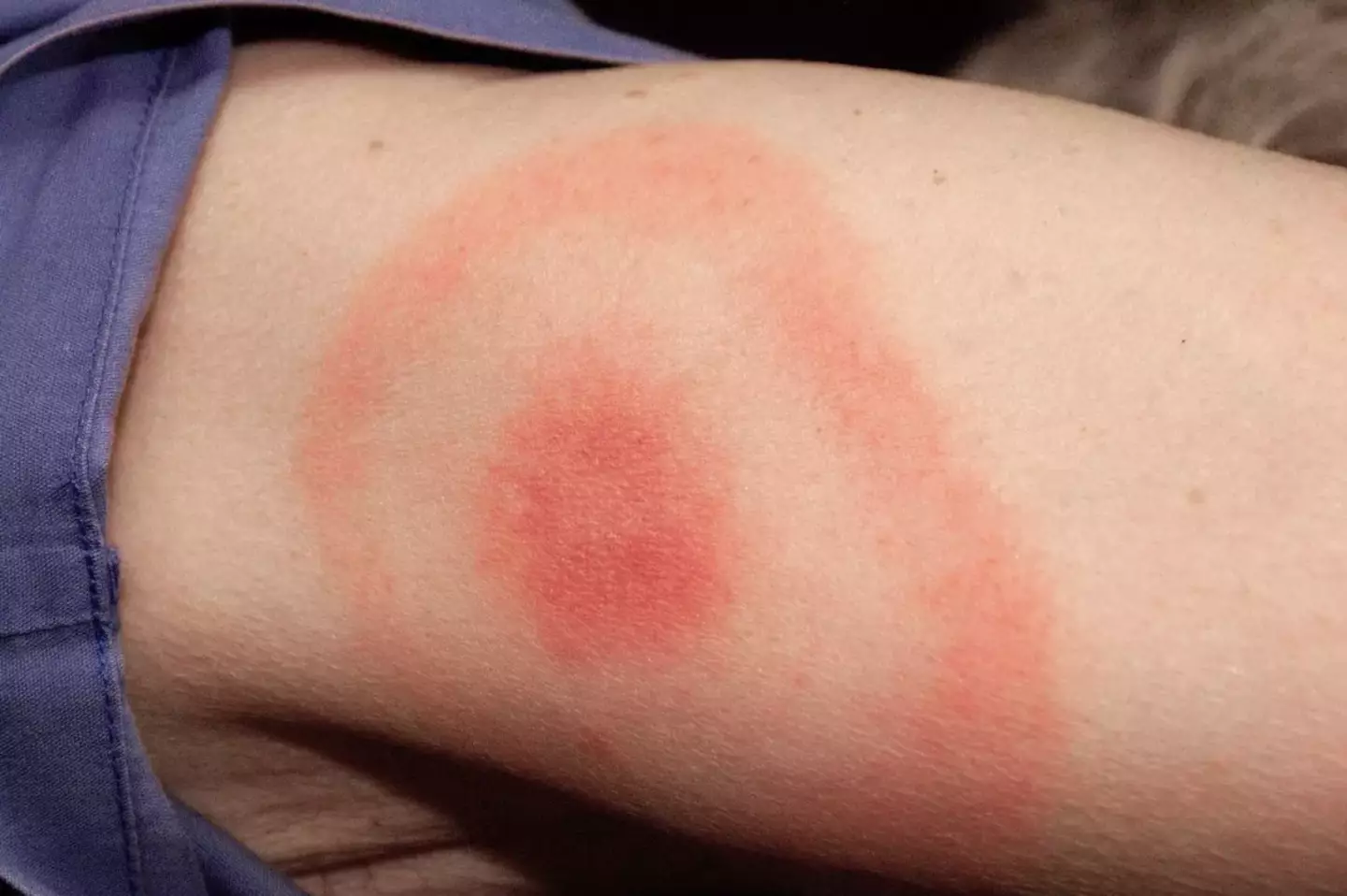 One of the main early Lyme disease symptoms is a 'circular or oval shape rash' forming around a tick bite (NHS)Why do so many celebrities have Lyme disease?
A whole load of major celebs have been diagnosed with the disease including the likes of Yolanda Hadid, Bella Hadid, Justin Bieber, Ben Stiller, Amy Schumer, Shania Twain, Alec Baldwin, Avril Lavigne, Kelly Osbourne, and Riley Keough - just to name a few.
Advert
Professor Paul Hunter, an infectious disease expert from the University of East Anglia, has previously explained what factors might make those in the spotlight more susceptible to contracting Lyme disease.
Speaking to MailOnline, he suggested that A-listers' increased leisure time and greater access to wilder outdoor areas where ticks thrive, compared to ordinary people, could simply make it a numbers game.
"If there is a rich and famous or class bias in this, it's probably because they spend more time walking around in wooded parkland, have more money to visit those areas, or own large properties with these sorts of environments," he added.
Additionally, many of these celebrities likely reside in the US, where Lyme disease is notoriously common.
Advert
The expert continued: "As you're walking along, the ticks latch onto your legs and crawl their way up... have a blood feast and transmit Lyme disease to you.
"If you venture into these areas, the best thing to do is check for ticks when you get home, and if you find any, remove them safely."

What two ticks do you need to look out for?
Well, according to University of Rhode Island professor, Thomas Mather, tick sightings have significantly increased in the last two weeks (via USA Today).
Advert
One of the primary tick species to be cautious of in the States is the black-legged tick, also known as the deer tick or the bear tick.
These tiny creatures, predominantly found in the eastern half of the US and the Midwest, the Mayo Clinic explains, can transmit parasites, bacteria, and a virus through their bite.
Not only can they carry and spread Lyme disease, but a black-legged tick bite can also lead to other illnesses such as anaplasmosis and babesiosis.
Second on the list is the notorious lone star tick, named for the silvery-white star-shaped spot on their backs.
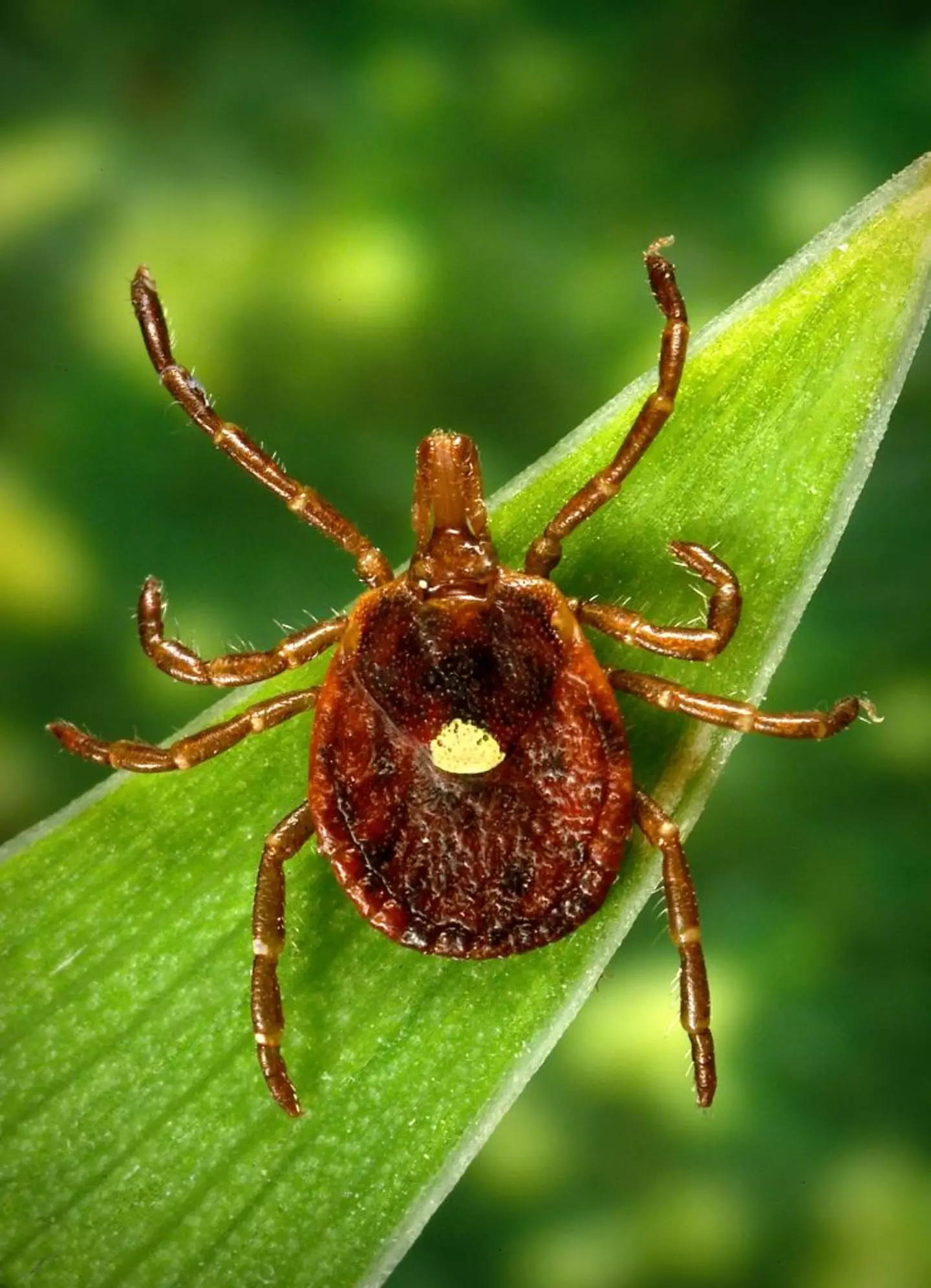
A bite from one of these can be particularly worrisome as their bites have been linked to some people developing a red meat allergy known as alpha-gal syndrome.
This occurs because when a lone star tick, mainly found in the Southern and Eastern US, feeds, it introduces a sugar molecule called alpha-gal into the body.
"In some individuals, this molecule triggers a reaction from the body's immune system," the Mayo Clinic warns. "It causes an allergic reaction to certain meats, such as beef, pork, or lamb, but not poultry or fish.
"It may also cause reactions to other foods, such as dairy products or gelatins, that are derived from mammals."
In some severe cases, Mathers warns it can potentially cause anaphylaxis, a potentially life-threatening allergic reaction.
To combat tick bites, he recommends the 'three T's': wearing tight clothing treated with repellent spray and tucking your shirt in.

Advertisement
Advertisement
Advertisement


