




Advertisement
Advertisement
If you're a fan of indulging in a fresh set of gel polish nails, you might soon see some changes in the UK due to an EU ban.
You don't need to completely forgo your stylish nails; however, it may be a good idea to consider a different polish option, as studies have pointed out potential health concerns.
Starting this week, numerous nail salons in Europe will have to update their manicure and pedicure polishes after certain gel polishes were banned over safety issues.
This change revolves around a specific chemical in the gel polish, which is essential for hardening them and ensuring they last for weeks.
Advert
The ban affects 27 EU member countries, prohibiting the use of polishes containing the controversial ingredient.
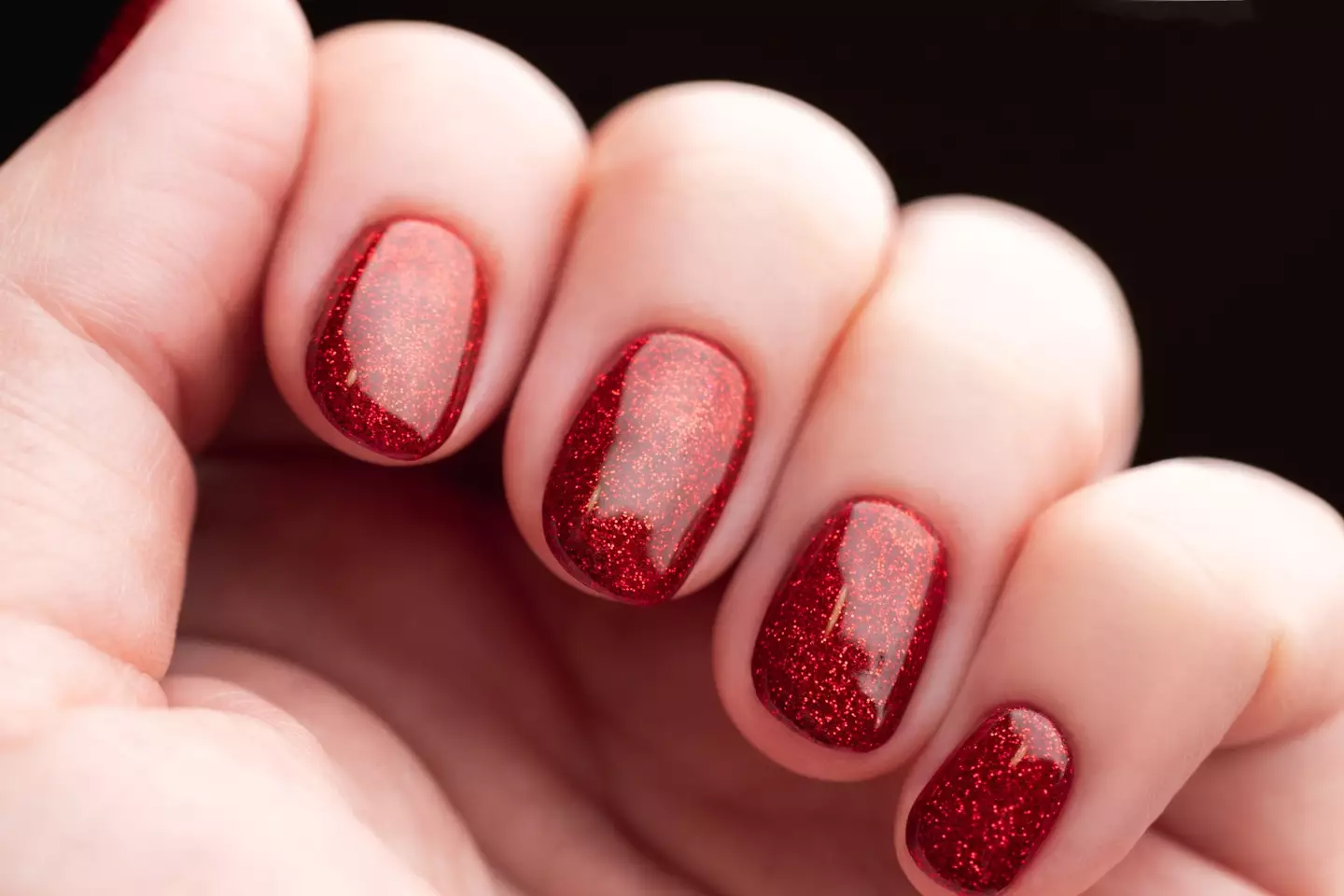
The chemical in question is known as trimethylbenzoyl diphenylphosphine oxide, or TPO.
This ingredient serves as an 'artificial nail builder' and is applied when nails are cured under light to enhance the polish's longevity.
Advert
It acts as a photoinitiator, meaning it requires light to be activated.
This activation process begins when the gel polish absorbs UV or LED light.
The ingredient isn't exclusive to gel polishes; it's also found in various inks and adhesives.
Many nail salons opt for this ingredient because it works effectively with UV lamps to set nails with a strong, durable finish that clients appreciate.
Advert
The regulation change was implemented on May 12, following updates from the European Commission.
The new rule identifies TPO as toxic, particularly harmful to the reproductive system, and states it should 'no longer be allowed in cosmetic products'.
However, there has been confusion, as no studies have conclusively linked TPO to health risks in humans.
The research actually indicated that high doses of TPO adversely affected rodents.
Advert
Caroline Rainsford, the director of science at the Cosmetic, Toiletry and Perfumery Association in Britain,
According to the New York Times, she issued a statement indicating the research depicts the ultimate 'worst case' scenario.
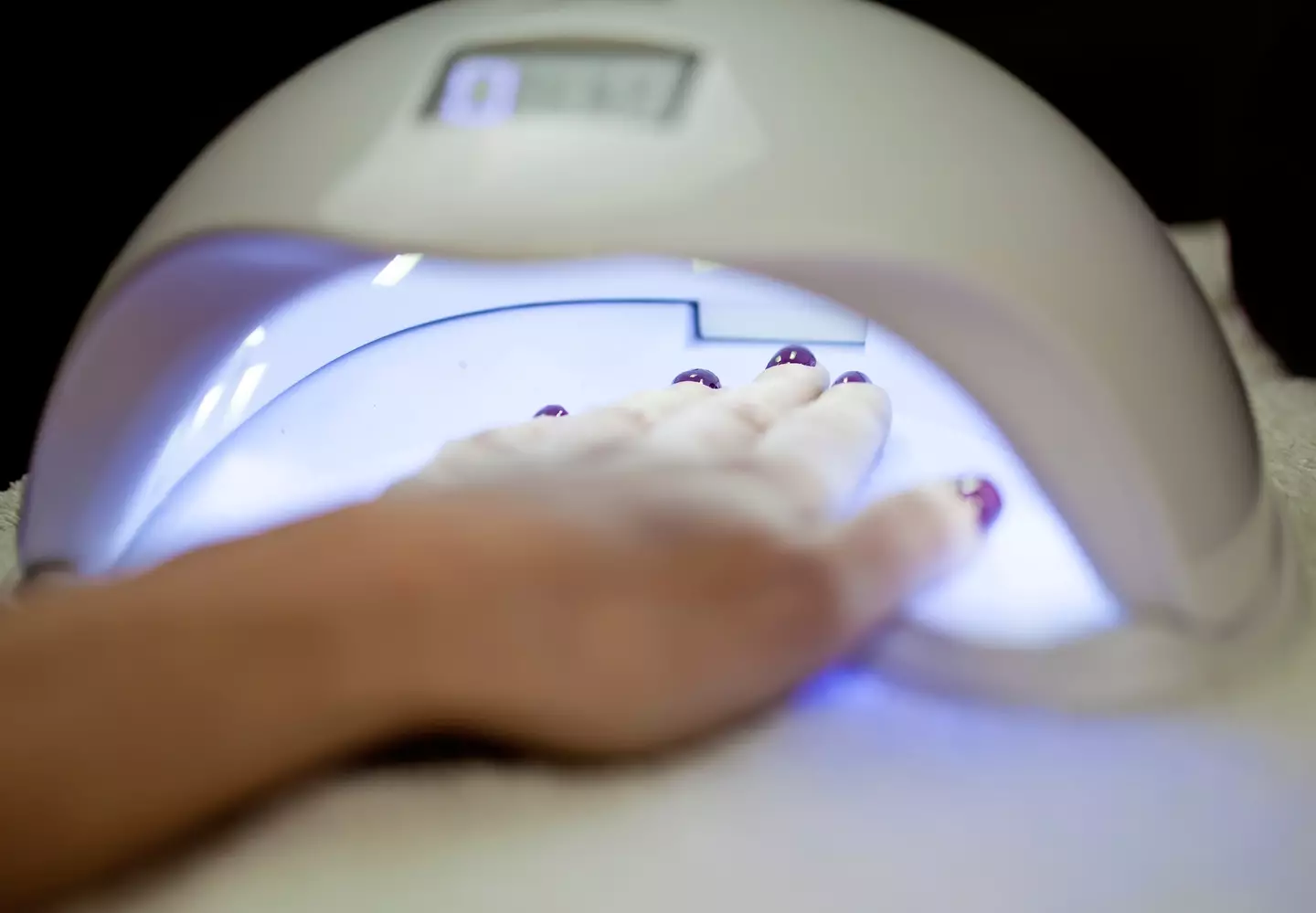
The amount used in nail polish is significantly smaller and much less concentrated than the levels studied.
Advert
She emphasized that when applied to nails, 'the potential for the ingredient to be absorbed into our bodies is even smaller'.
The testing involved administering high oral doses of TPO to rats.
The studies showed that the rats experienced reduced fertility, testicular issues, fetal abnormalities, and possible liver and kidney damage.
Many UK nail salons are already transitioning to polishes that do not contain TPO.
Additionally, many experts suggest that repeated exposure to UV lamps should be more concerning for clients, due to potential links to skin cancer.
Scientists advise applying sunscreen to your hands before a manicure for this reason.
Advertisement
Advertisement


Advertisement


